
The 5 Phases of Development in Gymnastics: Growing Stronger, Confident, and More Skilled
Gymnastics is about far more than learning cartwheels, handstands, and routines. It is a sport that develops resilience, confidence, discipline, and determination. At Infinity Gymnastics is much more than learning how to do a cartwheel, handstand, or flip. It is a sport that helps children develop strength, flexibility, coordination, balance, discipline, confidence, and perseverance. At Infinity Gymnastics Club, every child has the opportunity to learn at their own pace while building skills that can benefit them both inside and outside the gym.
One of the best ways to understand a child’s journey in gymnastics is to look at the five phases of development. Each phase focuses on different physical and mental skills and helps prepare young gymnasts for the next step.
1. Fundamental Movement Phase: Learning to Move
The first phase is all about discovering movement. For young children, gymnastics provides a fun environment where they can learn how their bodies move through space.
At this stage, children practice basic movements such as running, jumping, balancing, rolling, climbing, and landing. These may seem like simple activities, but they are the foundation for more advanced gymnastics skills.
Children also begin learning important concepts such as body control and spatial awareness. They learn how to listen to instructions, take turns, and safely participate in activities with other children.
At Infinity Gymnastics Club, these early experiences can help children develop a positive relationship with physical activity while having fun and making new friends.
2. Skill Development Phase: Building the Basics
Once children are comfortable with basic movement, they can begin developing fundamental gymnastics skills. This phase introduces more structure and allows young gymnasts to work on specific techniques.
Skills may include forward and backward rolls, handstands, cartwheels, bridges, jumps, turns, and basic work on gymnastics equipment.
The goal isn’t simply to perform a skill. Children learn how to perform it safely and correctly. Coaches help them understand body positioning, balance, strength, and technique.
This is also a wonderful stage for developing patience. Some skills may take several attempts, or even weeks or months to master. Learning that practice leads to improvement teaches children an important lesson: progress doesn’t always happen overnight.

3. Strength and Coordination Phase: Becoming More Confident
As gymnasts become more experienced, strength, flexibility, coordination, and body control become increasingly important.
During this phase, children begin connecting individual skills into combinations. They may perform a series of movements on the floor or learn more advanced skills on equipment such as the beam, bars, and vault.
Strength training appropriate for their age and development can help gymnasts perform skills more safely and effectively. Flexibility and balance also become increasingly important.
But physical development isn’t the only goal.
This is often when children begin noticing their own progress. A skill that once seemed impossible suddenly becomes achievable. That moment can create a tremendous boost in confidence.
Gymnastics teaches children to celebrate improvement, not just perfection.
4. Advanced Skill Development: Challenging Yourself
The fourth phase focuses on developing more advanced skills and increasing consistency. Gymnasts who choose to continue progressing may begin working toward more difficult movements, combinations, and routines.
At this point, attention to detail becomes especially important. Small changes in body position, timing, flexibility, or technique can make a big difference in performance.
Gymnasts also learn how important it is to stay focused. They may repeat the same movement many times while their coach provides corrections and encouragement.
This phase teaches an important life lesson: being good at something takes commitment.
Whether a child wants to participate recreationally or eventually compete, the skills learned during this stage can help them become more disciplined and determined.
5. Performance and Lifelong Development Phase: Reaching Your Potential
The fifth phase is about putting everything together. Depending on the gymnast’s goals, this may involve performing routines, participating in competitions, continuing recreational gymnastics, or simply using the skills they have developed as part of an active lifestyle.
Competitive gymnasts may focus on routines, consistency, preparation, and performing under pressure. Recreational gymnasts can continue learning new skills while enjoying the physical and social benefits of the sport.
Most importantly, development doesn’t have to end when a child reaches a particular skill level.
Gymnastics can teach children lifelong lessons about perseverance, confidence, teamwork, responsibility, and overcoming challenges.
Every Child Develops at Their Own Pace
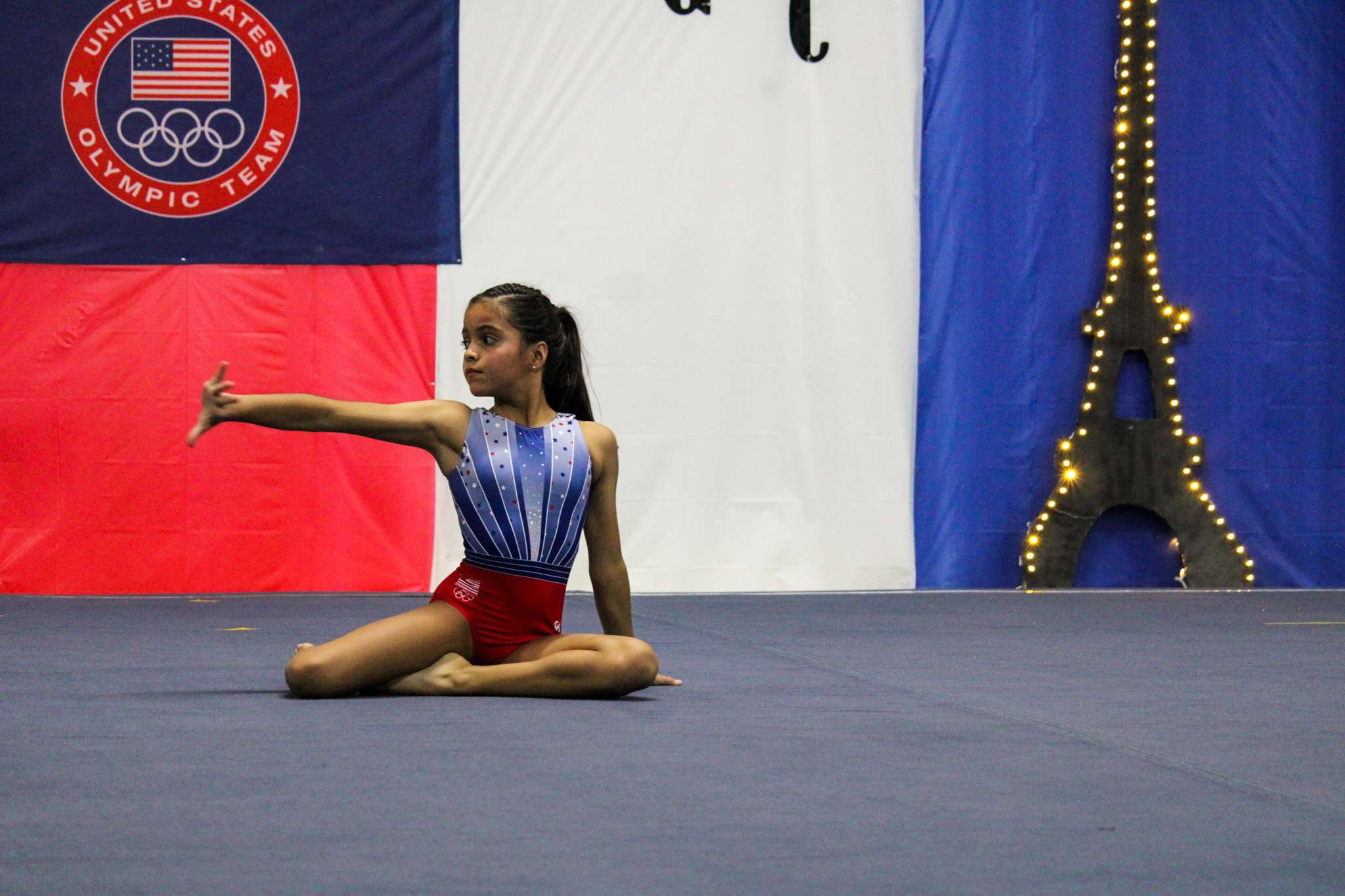
One of the most important things for parents to remember is that every child is different. Some children may learn a cartwheel quickly while taking longer to master a handstand. Others may excel at balance, flexibility, strength, or coordination.
The goal should not be to compare one child to another. Instead, gymnastics should encourage children to recognize their own progress and feel proud of their accomplishments.
At Infinity Gymnastics Club, children can experience gymnastics as a journey. From their first roll or jump to more advanced skills and routines, every new accomplishment represents another step forward.
The five phases of gymnastics development, fundamental movement, skill development, strength and coordination, advanced skill development, and performance and lifelong development, create a pathway for children to grow physically and mentally.
Gymnastics is not just about learning impressive skills. It is about learning how to practice, focus, overcome frustration, celebrate progress, and believe in yourself.
With the right coaching environment and plenty of encouragement, every child can discover something new about what they are capable of. At Infinity Gymnastics Club, the journey is about more than reaching the next skill, it is about helping young gymnasts grow stronger, more confident, and ready to take on their next challenge.
GET IN TOUCH
Join IGC Today!